
Buying used, the paperwork checklist that prevents expensive surprises
Avoid expensive surprises when buying a used caravan or motorhome. Our 2026 guide covers V5C checks, CRiS registration, habitation reports, and weight plate verification.
Avoid expensive surprises when buying a used caravan or motorhome. Our 2026 guide covers V5C checks, CRiS registration, habitation reports, and weight plate verification.

The RoamWorthy editorial team combines decades of caravan, motorhome and campervan ownership experience with industry expertise to provide trusted buying advice.
View all articles →- Verify Identity: Match the VIN or CRiS number on the chassis and window etchings to the V5C or CRiS registration document.
- Check Ownership: Ensure the seller's name matches the V5C (motorhomes) or CRiS record (caravans) to avoid stolen property.
- Habitation History: Demand a full report from an Approved Workshop Scheme (AWS) technician to verify gas, water, and electrical safety.
- Weight Compliance: Photograph the weight plate to ensure the MTPLM is legal for your licence and vehicle using our Towing Calculator.
- Finance & History: Always run an HPI or CRiS check to confirm there is no outstanding finance or insurance write-off status.
Buying a used leisure vehicle is an exercise in risk management. While a shiny exterior and modern upholstery are appealing, the true value of a used motorhome or caravan lies in its documented history. In the UK, a lack of paperwork is rarely just an oversight; it is often a symptom of neglected maintenance or, worse, legal ambiguity. As we look at the market in 2026, verifying digital and physical records is your primary defence against expensive mechanical failures or safety hazards.
Why Paperwork is Your Best Filter
If a seller cannot produce organized documents, it often reflects their approach to vehicle care. According to the National Caravan Council (NCC), which represents the entire supply chain for the UK caravan and motorhome industries, consistent servicing is vital for safety and longevity. When browsing used caravans, treat a missing service history as a major red flag. A vehicle without a clear paper trail should be priced significantly lower to account for the risk, or avoided entirely if ownership cannot be proven.
The Essential Paperwork Checklist
Before you commit to a purchase, ensure the following documents are present, legible, and authentic.
1. Proof of Ownership (V5C and CRiS)
For motorhomes and campervans, the DVLA V5C logbook is the definitive document. Verify that the VIN (Vehicle Identification Number) on the V5C matches the one stamped on the chassis and the plate under the bonnet. According to DVLA guidance, you must be the registered keeper on the V5C to apply for a replacement online or by phone. If a seller claims they will "send the logbook on later," be aware that the V5C is usually posted to the address the DVLA has on record for the registered keeper.
For caravans, the CRiS (Central Registration & Identification Scheme) document is the equivalent. A CRiS check will confirm if the caravan has been reported stolen, has outstanding finance, or has been written off by an insurer. You can find more details in our guide to CRiS checks and when to use them. The CRiS and VIN CHIP systems are designed to help prevent and deter caravan crime and act as a security check for buyers.
2. Habitation Service Reports
A standard MOT only covers the mechanical roadworthiness of a motorhome's base vehicle. It does not cover the living area. You must ask for a Habitation Report, ideally conducted by an Approved Workshop Scheme (AWS) member. The AWS is a joint enterprise between the NCC, The Caravan and Motorhome Club, and The Camping and Caravanning Club. This check includes:
- Damp Test: A percentage-based map of moisture levels. Professional habitation checks use these readings to identify potential water ingress issues.
- Gas Safety: A gas tightness test to ensure no leaks in the system. The NCC warns campervan users specifically not to use portable gas heaters indoors, highlighting the importance of fixed, safe gas systems.
- Electrical Systems: Verification of both 12V and 230V circuits, including RCD safety trips.
- Water System: Checking for leaks and ensuring the pump and heater function correctly.
3. Mechanical Service History
For motorhomes, the base vehicle (often a Fiat Ducato, Ford Transit, or VW Transporter) requires regular mechanical maintenance. Check the service book for stamps and, crucially, look for invoices that prove what work was actually done. Pay close attention to cambelt replacement intervals, as a failure here can result in significant engine damage. If you are looking at specific motorhome makes, research their specific engine service intervals beforehand.
4. The Weight Plate (MTPLM)
Every leisure vehicle has a manufacturer’s weight plate. This lists the Maximum Technically Permissible Laden Mass (MTPLM). It is vital to check this against your driving licence categories. Overloading a vehicle is illegal and can void your insurance. Use our Motorhome Weight Checker to ensure the vehicle fits your needs, especially if you plan to add heavy accessories like bike racks or solar panels. The MTPLM is the absolute maximum the vehicle is allowed to weigh when fully loaded.
Dealer vs Private Sale Paperwork
The level of protection you receive depends heavily on where you buy. When buying from motorhome dealers, you are often dealing with businesses that are members of trade bodies like the NCC. These dealerships are part of a supply chain that includes manufacturers and service providers who must comply with industry standards.
In a private sale, the principle of "buyer beware" applies. You have far fewer protections, making the paperwork verification even more critical. For a deeper dive into the risks, see our comparison of dealer vs private sales. Always ensure you receive a receipt that includes the seller's details, the vehicle's VIN, and the agreed price.
Physical Verification: The 60-Second Check
Before getting distracted by the caravan layout or the kitchen features, perform these three checks:
- VIN Match: Check the VIN on the windows, the chassis, and the weight plate. They must all match the V5C or CRiS document. The VIN CHIP is the industry standard for caravan identification.
- Tyre Age: Look for the DOT code on the tyre sidewall (four digits representing week and year). Maintenance issues, including tyre condition, are a significant factor in towing-related incidents on Britain's roads.
- Appliance Manuals: Ensure the original manuals for the fridge, heater, and control panels are present. Replacing these can be difficult for older caravan makes.
Finalising the Deal
Never pay a deposit until you have seen the physical V5C or CRiS document. If you are buying a vehicle, a CRiS check will flag if there is outstanding finance. It is essential to ensure that any financial interest in the vehicle is cleared before the title transfers to you. For motorhomes, the V5C serves as proof of the registered keeper, but it does not necessarily prove legal ownership in the same way a bill of sale does.
Frequently Asked Questions
What should I do if the V5C is missing?According to DVLA guidance, the registered keeper should apply for a replacement V5C, which usually costs £25. You can apply online or by phone if the details remain the same. Do not purchase a motorhome without one, as it is the primary document for vehicle registration and taxing.
Is a habitation check a legal requirement?No, it is not a legal requirement like an MOT. However, the Approved Workshop Scheme (AWS) is seen as the benchmark for motorhome and touring caravan servicing in the UK. Most insurance companies and clubs strongly recommend annual checks to ensure the safety of gas and electrical systems.
How do I verify the mileage is genuine?For motorhomes, you can check the MOT history for free on the GOV.UK website using the registration number. This will show the mileage recorded at every annual test, allowing you to spot any inconsistencies. For caravans, check the service history invoices for recorded mileage or usage notes.
What is a CRiS check?A CRiS check is a service that verifies the name of the registered keeper, checks if the caravan has been reported as stolen, checks for outstanding finance, and confirms if it has been written off by insurers.
Can I tow a caravan if I don't have the weight plate info?No. You must know the MTPLM of the caravan and the towing capacity of your car to stay legal. The weight plate provides the necessary data to ensure your car and caravan are a safe match. If the plate is missing, it is a significant red flag.
What paperwork do I need for a campervan conversion?You need the V5C showing the vehicle details. If the vehicle has been modified, the V5C must be updated to reflect changes. You should also demand habitation safety reports for any gas or electrical installations added during the conversion.
Next Steps
- Explore popular caravan layouts to find your ideal fit.
- Check your vehicle's limits with our Motorhome Weight Checker.
- Research campervan makes for your next adventure.
- Find a professional for your next check at one of the many motorhome dealers or AWS workshops.
- Learn more about motorhome layouts before you buy.
Ready to find yours?
Put this knowledge into action
Related Tools
Related Makes & Models
Spotted an error? Let us know.
Continue Reading
More expert guides to help you make informed decisions

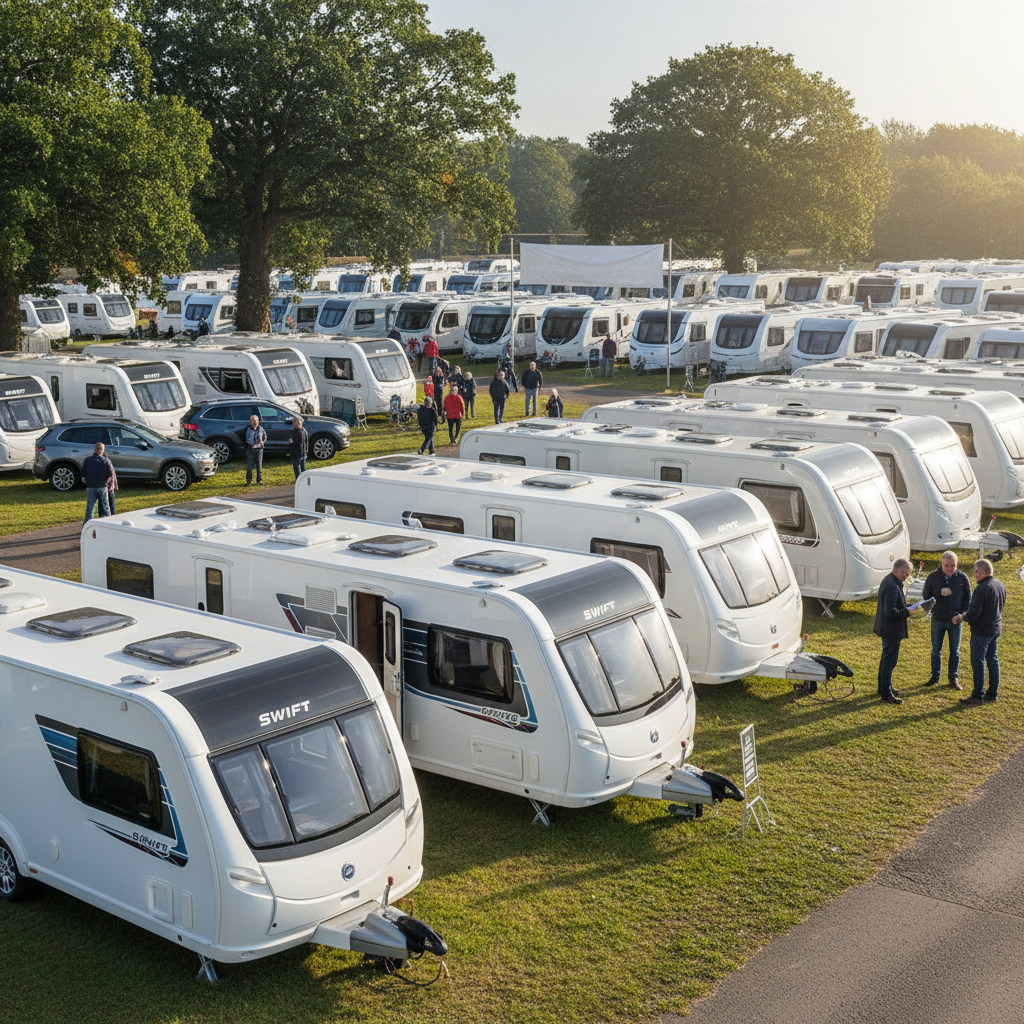
June 2026 Caravan Market Update and Pricing Report
June 2026 Caravan Market Report: 8ft-wide models dominate resale values, while family 6-berths sell in just 6 days. Get the latest pricing data and buying tips.
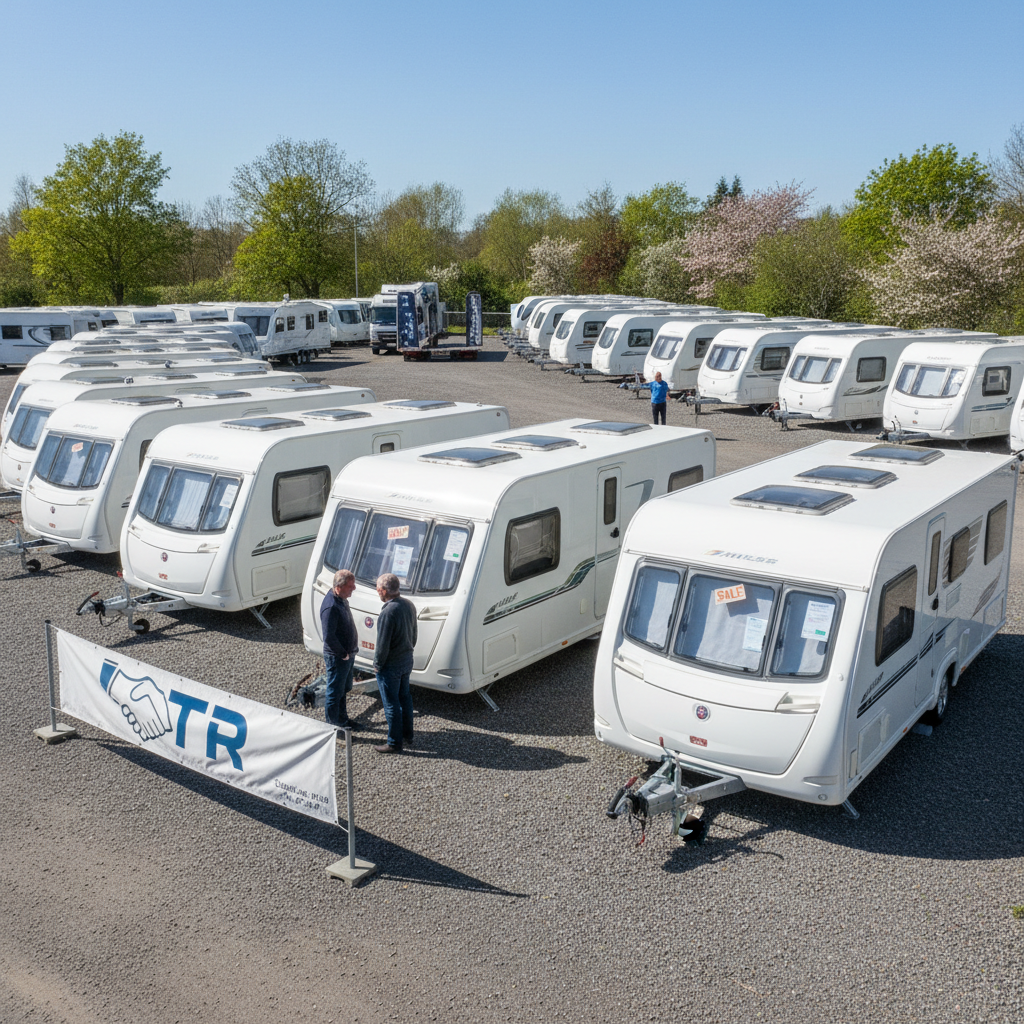
April 2026 Caravan Market Analysis and Pricing Trends
April 2026 UK caravan market report: 8ft-wide models dominate, off-grid demand rises by 25%, and entry-level stock hits seasonal lows. Expert pricing analysis.
How to Spot a Genuine Dealer Deal on a New Caravan
Learn how to identify genuine caravan deals. From 'Previous Year' stock savings to Dealer Specials, our guide helps you avoid hidden OTR costs and secure real value.