
UK towing rules in plain English for caravans
Confused by UK towing rules? Learn about Category B licence changes, weight limits (MTPLM vs GTW), and the 85% safety rule in our 2026 plain English guide.
Confused by UK towing rules? Learn about Category B licence changes, weight limits (MTPLM vs GTW), and the 85% safety rule in our 2026 plain English guide.

The RoamWorthy editorial team combines decades of caravan, motorhome and campervan ownership experience with industry expertise to provide trusted buying advice.
View all articles →Quick Summary: 2026 UK Towing Rules
- Licence: Most drivers with a Category B (car) licence can tow trailers up to 3,500kg MAM, following the December 2021 rule changes, subject to the vehicle's manufacturer limits.
- Weights: You must never exceed your car’s Maximum Braked Towing Limit or the Gross Train Weight (GTW) found on the vehicle's VIN plate.
- Safety: The '85% Rule' is a recommendation for stability, not a legal requirement. For Electric Vehicles (EVs), towing range and stability vary significantly by model, load, and weather conditions.
- Equipment: Towing mirrors must provide an adequate view of the road behind. Non-compliance can result in a fine of up to £1,000 and 3 points.
Towing rules in the UK are based on two distinct things: your driving licence entitlement and your vehicle’s physical weight limits. Both must align before you hitch up.
1. Your Licence: What are you allowed to drive?
The rules regarding towing in Great Britain changed in December 2021. Previously, drivers who passed their test after 1st January 1997 were restricted on trailer weights unless they took an additional B+E test. Today, the requirements are simpler:
- Category B (Car Licence): If you have a full car driving licence, you can tow trailers up to 3,500kg MAM. You do not need to take a separate B+E test for ordinary car towing.
- Automatic Updates: The DVLA updated records automatically; you do not need to apply for a new licence to benefit from this, though your photocard might not show 'BE' until you renew it.
- Motorhomes: Note that heavier motorhomes (between 3,500kg and 7,500kg) require Category C1 entitlement; those over 7,500kg require Category C.
- The Exception: Always check your photocard. If you have specific medical restrictions or a provisional licence, different rules apply.
2. The Weights: What can your car actually handle?
Licence entitlement is only half the story; you must adhere to the physical limits stamped on your vehicle's VIN plate (usually found in the door shut or under the bonnet) and the caravan's plate.
Key Definitions You Need to Know:
- MTPLM (Maximum Technically Permissible Laden Mass): The absolute maximum a caravan is allowed to weigh when fully loaded.
- MRO (Mass in Running Order): The weight of the caravan as it leaves the factory. Definitions vary by manufacturer and year, but often include essential equipment like gas bottles.
- Gross Train Weight (GTW): The maximum allowed weight of the car and caravan combined. Some vehicles cannot tow their maximum braked limit if the car itself is fully loaded.
- Noseweight: The downward force the caravan hitch exerts on your car's towball. This must not exceed the limit of your towbar or your car's hitch limit.
Actionable Advice: Use a weighbridge to reliably verify your actual loaded weight, as plated limits must never be exceeded.
3. The '85% Rule' vs. The Law
The "85% Rule" is not a law, but a safety guideline. It suggests that the loaded weight of the caravan (MTPLM) should not exceed 85% of the car's kerbweight.
- 0-85%: Often recommended for those new to towing.
- 85-100%: Recommended only for experienced towers.
- Over 100%: Legal only if it stays within the manufacturer's specified towing limits, though stability may be affected.
4. Essential Towing Equipment Checklist
Pre-Flight Safety Check
- [ ] Towing Mirrors: You must have an adequate view of the road behind you. If your caravan is wider than your car, you usually need towing mirrors. Failure to comply can lead to a fine of up to £1,000 and 3 penalty points.
- [ ] Breakaway Cable: Ensure the cable is correctly attached to a dedicated point on the towbar to activate the caravan brakes if it becomes uncoupled.
- [ ] Number Plate: Your caravan must display a legal number plate matching the towing vehicle, illuminated at night.
- [ ] Tyre Pressure: Check both car and caravan tyres; refer to your manual as cars often require higher pressures when towing.
- [ ] Lights: Verify all indicators, brake lights, and fog lights are functioning.
5. Practical Loading Tips
Heavy items like awnings and leisure batteries eat into your payload. For example, high-spec models like a Swift Challenger or Bailey Pegasus Grande have specific weight limits that must be respected.
Top Tip: Place heavy items over the axle and as low as possible to maintain a stable centre of gravity. Avoid overloading, as this may affect your insurance cover or claims in the event of an accident.
Frequently Asked Questions
Can I tow a caravan on a standard car licence?
Yes, provided you hold a full Category B licence, you can tow a trailer up to 3,500kg MAM, subject to your vehicle's manufacturer-specified limits.
What happens if I exceed my Gross Train Weight?
Exceeding any plated weight limit is a legal offence. Authorities can issue fines and prohibit the vehicle from moving until the weight is corrected. It may also affect your insurance policy.
What is the speed limit when towing a caravan in the UK?
On single carriageways, the limit is 50mph. On dual carriageways and motorways, the limit is 60mph. You are prohibited from using the right-hand (outside) lane of a motorway with three or more lanes.
UK caravan towing rules at a glance (2026)
| Question | Answer |
|---|---|
| Can I tow a caravan on a standard car licence? | Yes. A Category B licence allows towing up to 3,500kg MAM, subject to vehicle limits. |
| What is the 85% rule? | A guidance recommendation (not law) for stable handling, suggesting the trailer weight be 85% or less of the car's kerbweight. |
| What is the national speed limit when towing? | 50 mph on single carriageways, 60 mph on dual carriageways and motorways. |
| Do I need a separate towing test? | No, the B+E test is not currently required for ordinary car towing in Great Britain. |
| What about EVs? | Electric vehicle towing range and stability vary materially by model, route, weather, and speed. Check specific manufacturer data. |
Ready to find yours?
Put this knowledge into action
Can your car tow it?
Free towing check. Takes 30 seconds
Save outfits, compare setups, download or email a PDF report. Find compatible caravans.
Related Tools
Browse by Weight
Related Makes & Models
Spotted an error? Let us know.
Continue Reading
More expert guides to help you make informed decisions
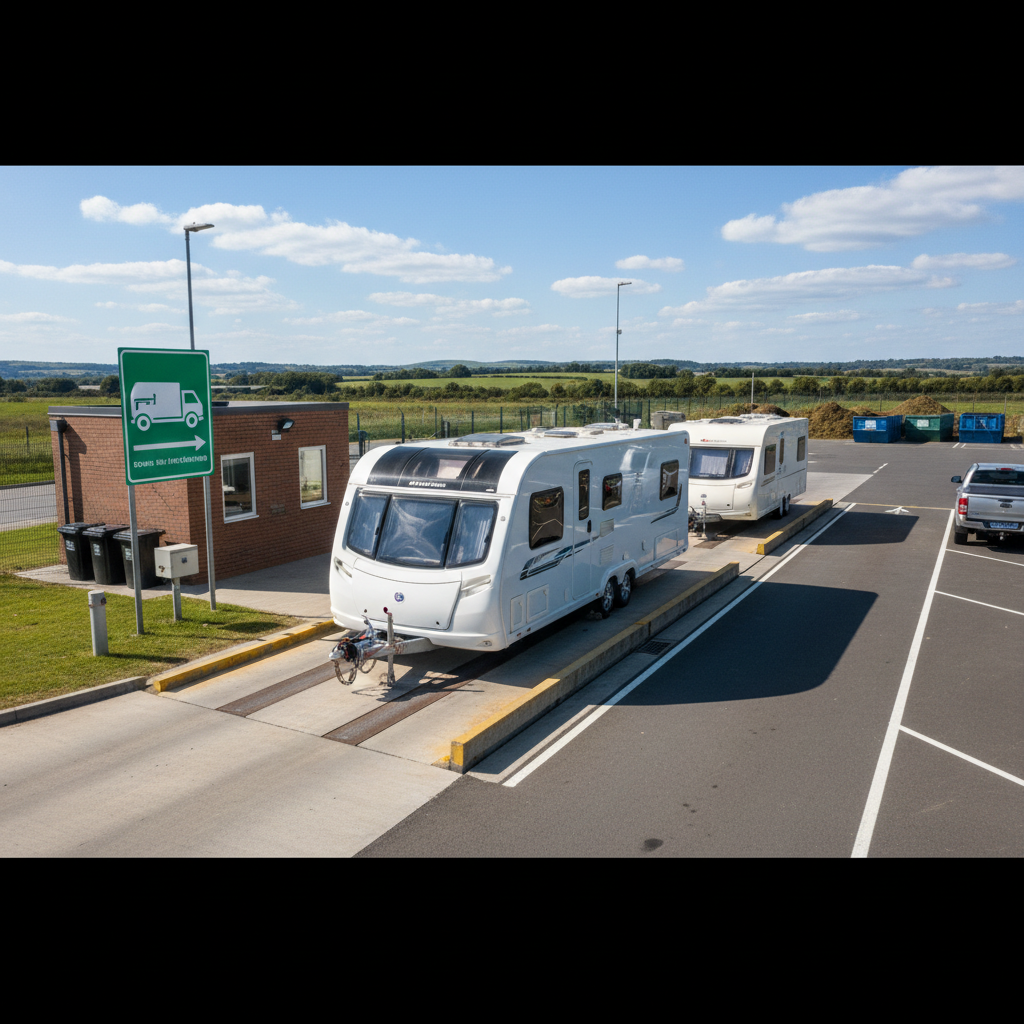
How to Use a Public Weighbridge Safely
Ensure your caravan or motorhome is road-legal. Learn how to find a UK public weighbridge, understand DVSA weight terms, and verify your axle limits to avoid fines.
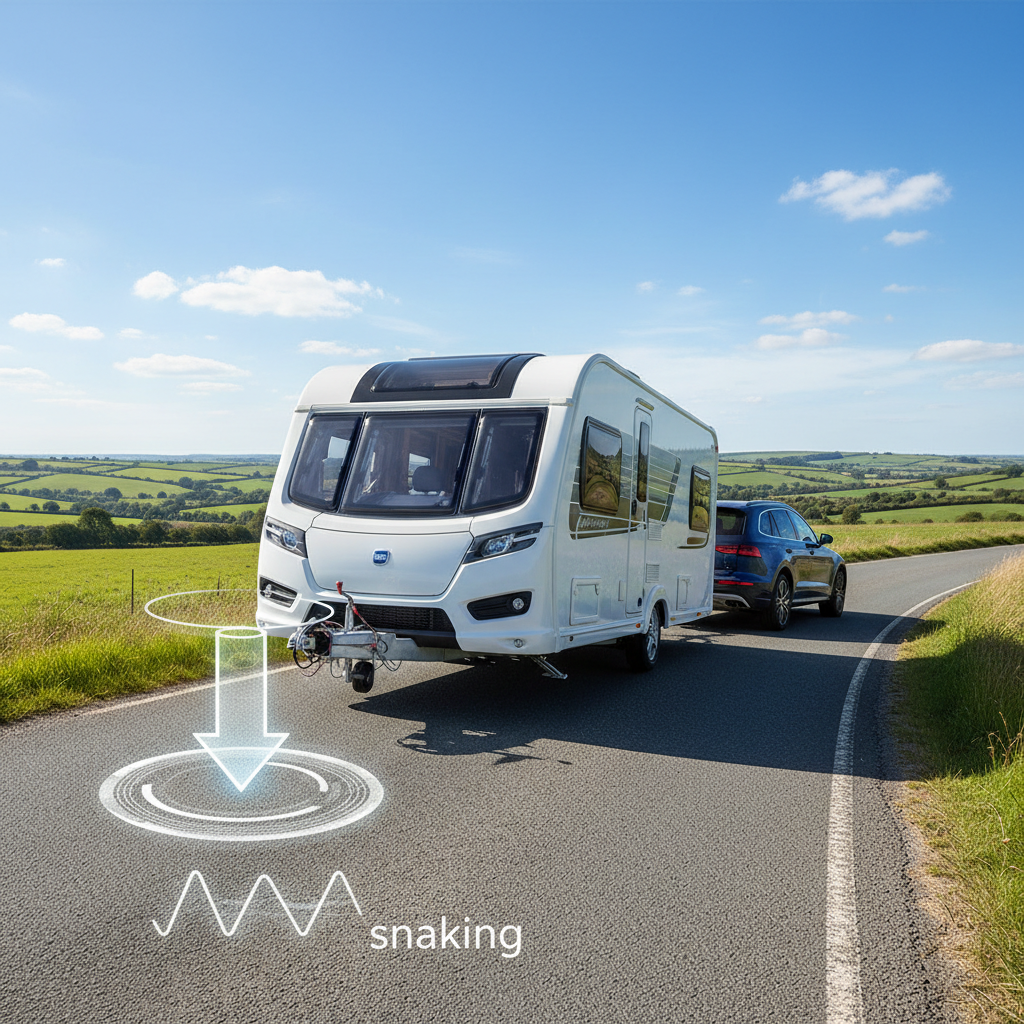
Caravan noseweight and stability, how to measure and stay safe
Quick answer: noseweight is the downward force the caravan hitch puts on the towball. Aim for roughly 5 to 7 percent of the loaded caravan weight, and never exceed the lower of your car towball limit, hitch limit, or the caravan manufacturer noseweight figure.
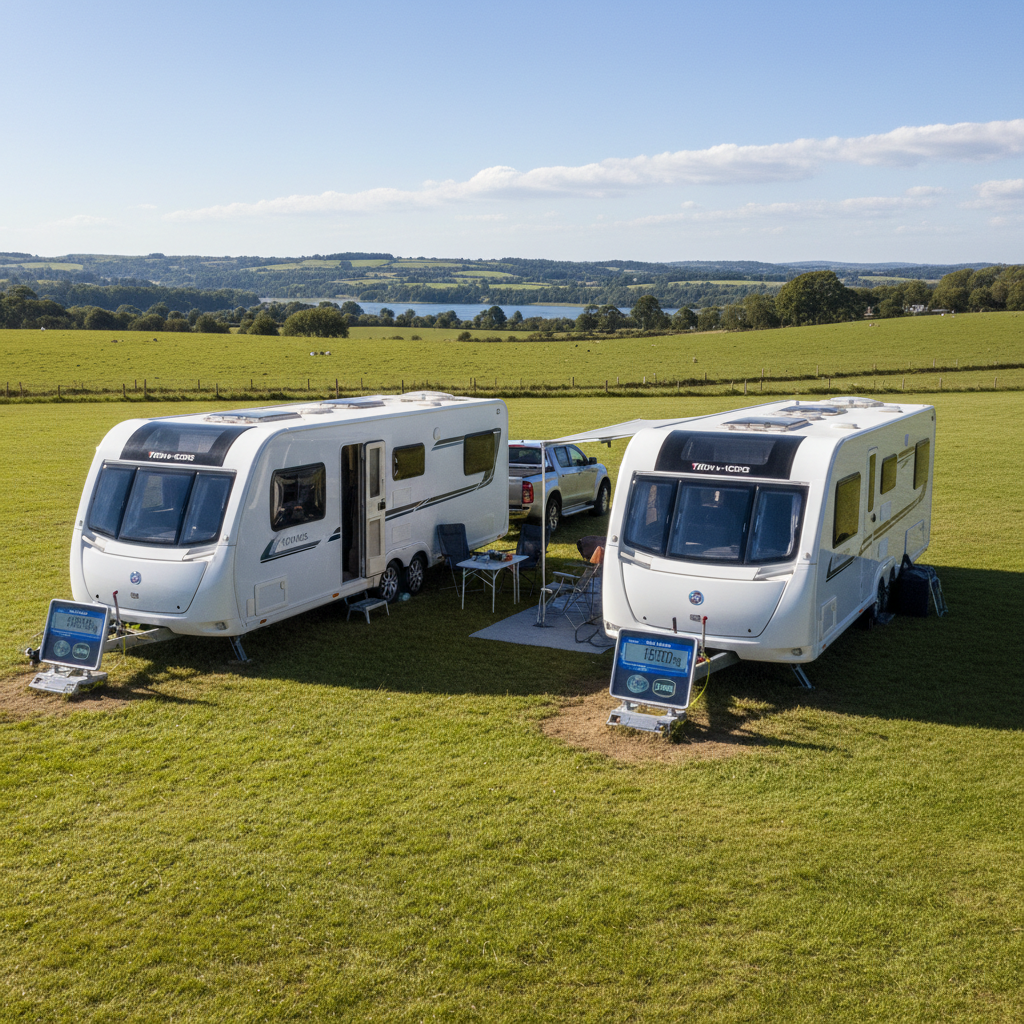
Understanding Payload and Weights for Twin Axle Caravans
Master twin-axle caravan weights for 2026. Learn about the 'Payload Trap', quad-motor movers, and how to stay legal with Gross Train Weight (GTW) limits.