
Motorhome Body Types: Coachbuilt vs A-Class vs Campervan
Compare Motorhome body types: Coachbuilt, A-Class & Campervans. Expert guide on UK driving licences, insulation, fuel economy, and 2026 pricing for UK buyers.
Compare Motorhome body types: Coachbuilt, A-Class & Campervans. Expert guide on UK driving licences, insulation, fuel economy, and 2026 pricing for UK buyers.

The RoamWorthy editorial team combines decades of caravan, motorhome and campervan ownership experience with industry expertise to provide trusted buying advice.
View all articles →- Campervans (Panel Van Conversions): Best for couples and daily driving; easiest to park but limited space.
- Coachbuilt (Overcab & Low Profile): The UK's most popular choice; offers a balance of space, amenities, and value.
- A-Class: The pinnacle of luxury and insulation; ideal for full-time touring but requires more driving confidence and a higher budget.
- Weight Matters: Always check if your driving licence allows for vehicles over 3,500kg (MAM).
Understanding Motorhome Body Types
Choosing the right motorhome body type is the most critical decision you'll make before looking at motorhome layouts. The chassis and body construction dictate not just how much you can pack, but where you can park and how much you'll spend at the fuel pump. For 2026, we are seeing a significant shift towards electric drivetrains in campervans and more aerodynamic "slimline" coachbuilts designed to navigate narrow UK B-roads. Understanding the nuances between a Volkswagen California and a Bailey Autograph 74 4 is essential for long-term satisfaction.
1. Panel Van Conversion (Campervan)
What is it?
A standard commercial van where the original steel body is retained, but the interior is professionally converted for living. Common base vehicles include the Fiat Ducato, Mercedes-Benz Sprinter, or the iconic Volkswagen California. Specialist converters like Jerba Sanna, Vanworx, and CMC Reimo offer bespoke finishes. If you are considering a DIY project, use our Campervan Conversion Checker.
Pros
- Driveability: Feels like a large car or van; easier to navigate narrow UK country lanes and height-restricted car parks.
- Versatility: Can often double as a daily driver and fits in most standard parking bays.
- Durability: The steel shell is often more robust and less prone to water ingress than coachbuilt seams.
- Discretion: Ideal for "stealth" camping where permitted.
Cons
- Insulation: Harder to insulate than purpose-built sandwich panels; can be colder in winter.
- Space: Fixed widths mean narrower beds and compact "wet room" bathrooms.
- Storage: Limited external locker space for bulky gear like outdoor chairs.
Best For: Active couples, solo travellers, and those using their vehicle for daily commutes.
Estimated 2026 Budget: £45,000 – £95,000+ (New)
2. Coachbuilt (Overcab)
What is it?
A "white box" living area constructed onto a van chassis-cab. These are easily identified by the large bulbous section over the driver’s cab, known as a Luton peak. This design is a staple for UK brands like Elddis and Swift, providing a dedicated sleeping area that doesn't compromise the lounge.
Pros
- Sleeping Capacity: The overcab bed is a permanent double, freeing up the lounge area for early risers.
- Family Friendly: Often features 4 to 6 berths and matching travel seats, such as those found in the Auto-Trail Tribute 720.
- Value: Offers the most "square footage" for your money.
Cons
- Fuel Economy: The high-profile front is less aerodynamic, increasing drag and fuel costs.
- Stability: More susceptible to buffeting from crosswinds and passing HGVs on the motorway.
- Height Restrictions: Often exceeds 3m, making some car park barriers and low bridges impassable.
Best For: Families with children and those needing maximum sleeping berths.
Estimated 2026 Budget: £60,000 – £90,000
3. Low Profile
What is it?
A variation of the coachbuilt motorhome but without the high overcab section. Instead, it has a sleek, aerodynamic cap. This is currently the most popular body style in the UK market, with examples like the Bailey Autograph 74 4 or Auto-Trail Imala. Check out more in our Motorhome Models Hub.
Pros
- Efficiency: Better fuel economy and a quieter drive than overcabs due to reduced wind resistance.
- Handling: Lower centre of gravity leads to better cornering and stability.
- Modern Tech: Many now feature electric "drop-down" beds that hide in the ceiling during the day.
- Compact Options: Newer "Slimline" models, like the Chausson S 514, bridge the gap between campervans and full-sized motorhomes.
Cons
- Headroom: If a drop-down bed is fitted, interior standing height may be slightly reduced.
- Berth Trade-off: Usually limited to 2-4 berths.
- Storage: While better than campervans, they often lack the massive "garages" found in A-Class models.
Best For: Couples who want a spacious living area without the bulk of a full overcab.
Estimated 2026 Budget: £65,000 – £100,000
4. A-Class
What is it?
The "Grand Tourers" of the motorhome world. Unlike coachbuilts, the manufacturer builds the entire body from the chassis up, including the cab. This creates a seamless transition from the driving seats to the living area. Premium brands include Niesmann And Bischoff, Frankia, Laika, and Le Voyageur.
Pros
- Space: The full width of the vehicle is utilised from front to back, creating a massive lounge.
- Insulation: Superior thermal properties, often featuring "double floors" for winterised plumbing.
- View: Massive panoramic windscreens offer the best views of the road and campsite.
- Resale: High-end models from brands like Bürstner or Itineo often retain value due to superior build quality.
Cons
- Weight: Many exceed 3,500kg, requiring a C1 driving licence. Use our Motorhome Weight Checker to verify your limits.
- Maintenance: Specialist body parts (like windscreens) can be very expensive to replace and may require specialist repair centres.
- Width: Can be intimidating on narrow UK B-roads and rural lanes.
Best For: Full-time touring, winter sports enthusiasts, and luxury seekers.
Estimated 2026 Budget: £90,000 – £250,000+
Summary Comparison Table
| Feature | Campervan | Coachbuilt | A-Class |
|---|---|---|---|
| Ease of Parking | Excellent | Fair | Difficult |
| Insulation | Good | Very Good | Excellent |
| Typical Berths | 2-4 | 2-6 | 2-6 |
| Licence Required | Standard (B) | B or C1 | Often C1 |
Essential Pre-Purchase Checklist
- Check your Licence: If you passed your car test after Jan 1st 1997, you are limited to 3,500kg unless you take an additional test (C1). Consult the DVLA guidelines.
- Measure your Driveway: Don't forget to account for wing mirrors and opening locker doors.
- Payload Check: Ensure the "User Payload" is enough for your passengers, water, and gear. Use our Motorhome Weight Checker.
- Test the Bed: If it's a conversion, can you actually set up the bed in under 2 minutes?
- Winterisation: If planning year-round use, check for Grade 3 insulation ratings (BS EN 1646-1).
- Security: Check if the body type requires specific trackers or locks for insurance compliance.
Ready to start your journey? Explore Motorhome Models or browse used motorhomes for sale to see these body types in person. If you're looking for something smaller, visit our Campervan Models Hub.
Frequently Asked Questions
What is the difference between a campervan and a motorhome?
Generally, a campervan is a panel van conversion (retaining the original van body), while a motorhome refers to coachbuilt or A-Class vehicles with purpose-built living bodies. Campervans are usually narrower and easier to park.
Can I drive any motorhome on a standard UK car licence?
You can drive any vehicle up to 3,500kg Maximum Authorised Mass (MAM). For vehicles between 3,500kg and 7,500kg, you need a C1 category on your licence. Check your photocard for the C1 code or use our weight calculator.
Which body type holds its value best?
VW-based campervans (like the Volkswagen California) historically have the slowest depreciation in the UK market, though A-Class models also hold value well due to their high-end build quality.
What is a 'Low Profile' motorhome?
It is a coachbuilt motorhome without the large overcab sleeping area, offering better fuel efficiency and a more modern look, often featuring a drop-down bed instead.
Are A-Class motorhomes harder to insure?
They can be more expensive to insure because parts like the bespoke panoramic windscreen are costly to replace and often have to be shipped from Europe. Always check with specialist providers like the Caravan and Motorhome Club.
Ready to find yours?
Put this knowledge into action
Related Tools
Related Makes & Models
Spotted an error? Let us know.
Continue Reading
More expert guides to help you make informed decisions
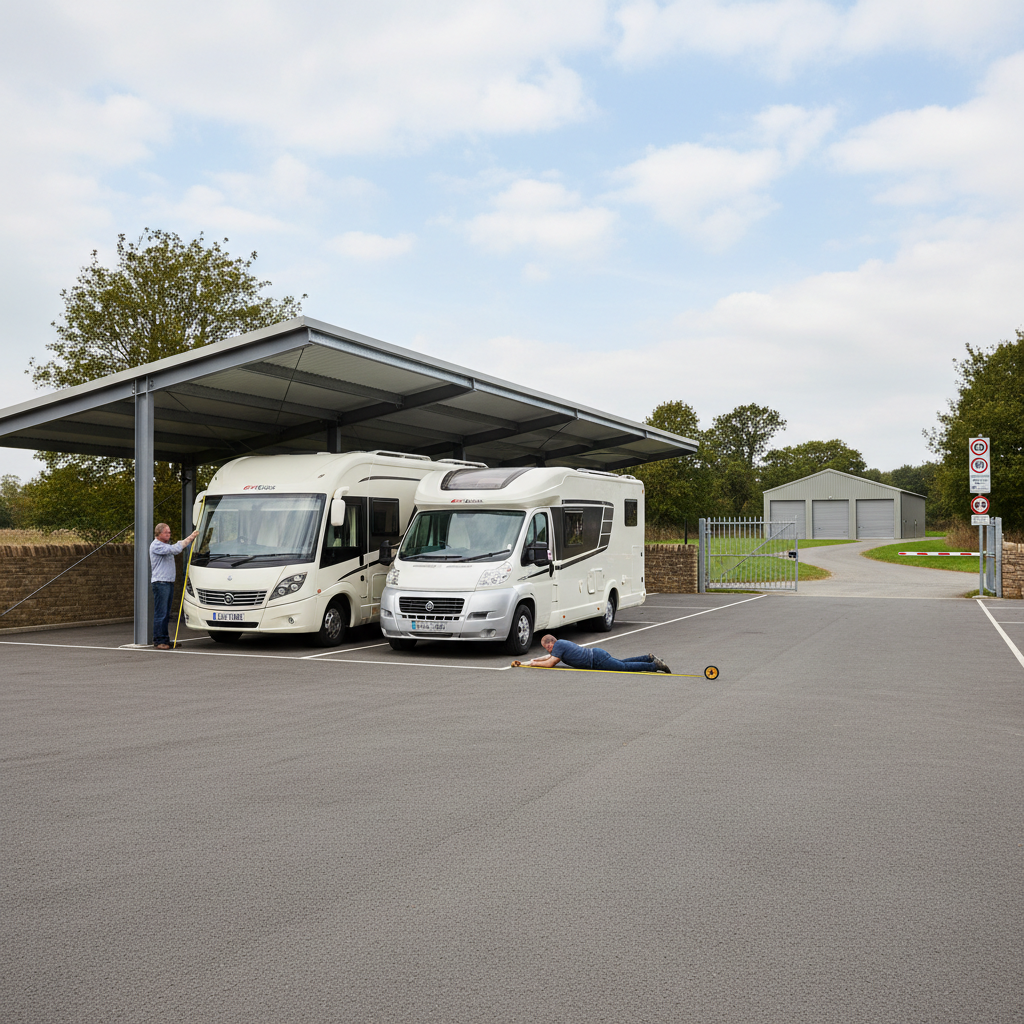
Motorhome Storage Before You Buy: Height, Length, Access and Everyday Practicality
Don't buy a motorhome that won't fit! Learn how to measure height, length, and turning circles for home or site storage before you commit to a purchase.
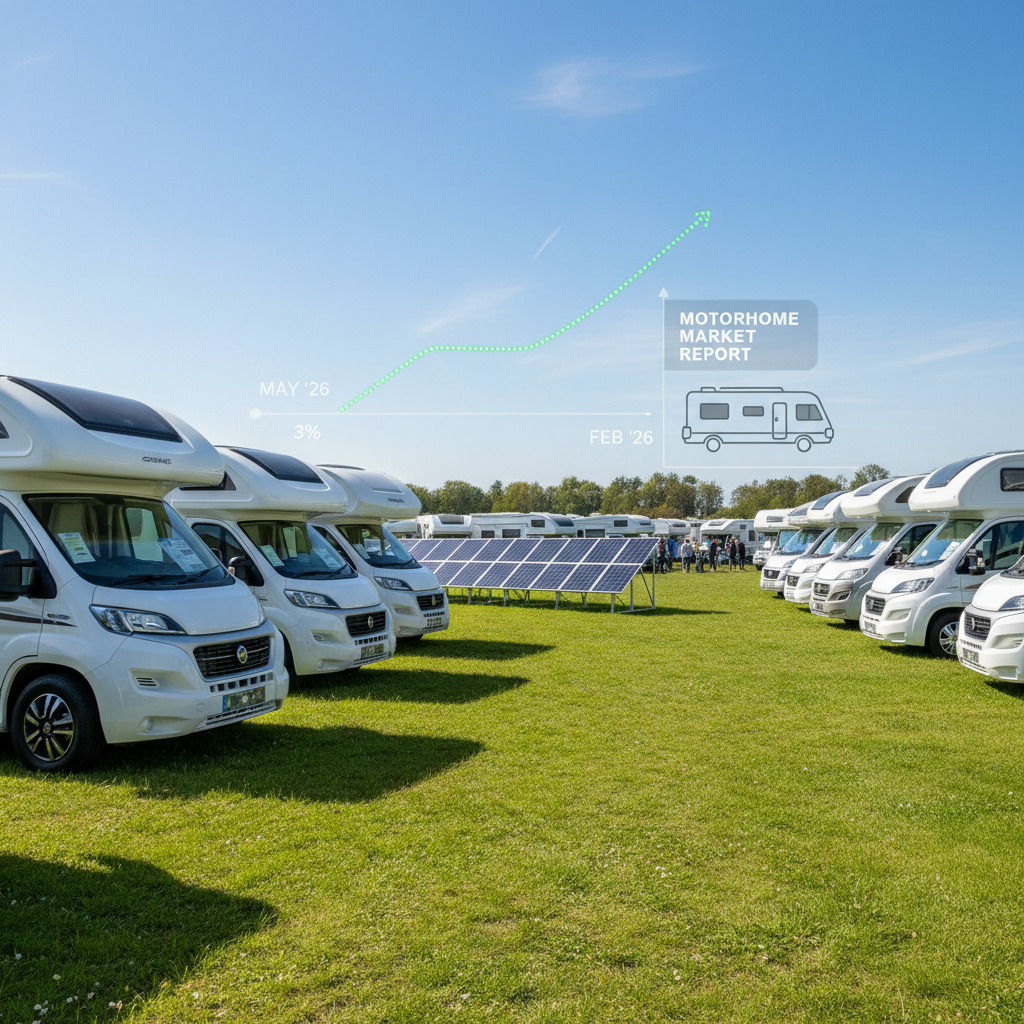
May 2026 Motorhome Market Report and Pricing Analysis
May 2026 UK Motorhome Market Report: Prices stabilise as demand for sub-3,500kg models peaks. Discover the latest trends in off-grid tech and regional pricing.
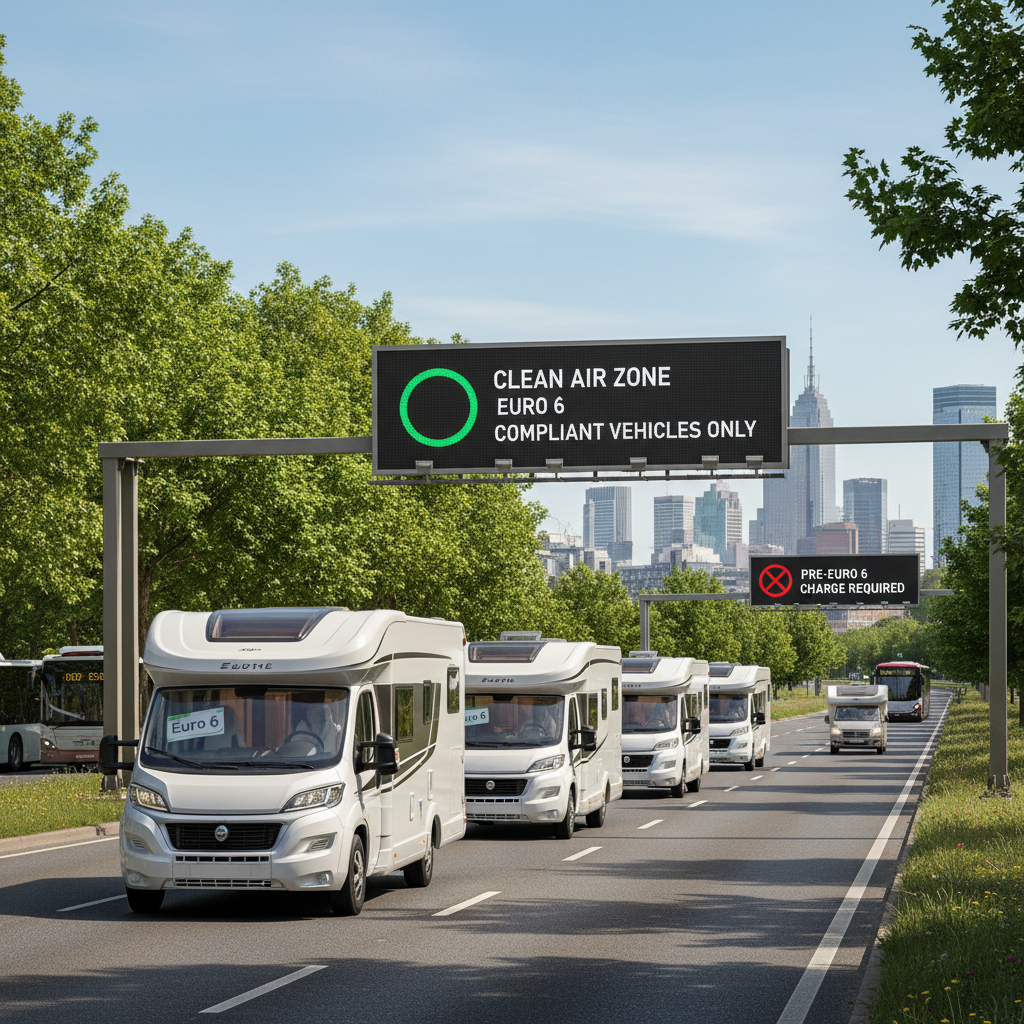
Understanding Euro 6 Compliance for Motorhome Clean Air Zones
Navigate UK Clean Air Zones and London's ULEZ with our guide to Euro 6 compliance for motorhomes. Learn about weight limits, Scottish LEZ rules, and how to check your V5C.