
Caravan dealer pages how to use them to buy smarter
Master caravan dealer websites in 2026. Learn to verify live stock, check weights, and use digital tools to buy smarter and avoid wasted viewings.
Master caravan dealer websites in 2026. Learn to verify live stock, check weights, and use digital tools to buy smarter and avoid wasted viewings.
Ready to find yours?
Put this knowledge into action

The RoamWorthy editorial team combines decades of caravan, motorhome and campervan ownership experience with industry expertise to provide trusted buying advice.
View all articles →- Verify Live Stock: Use dealer pages to confirm physical location and unique stock numbers before travelling.
- Match Weights Early: Cross-reference listed MTPLM with your car's towing capacity using our tools.
- Check Accreditations: Prioritise dealers with NCC Approved status and AWS-certified service centres.
- Enquire with Data: Ask for damp reports and tyre DOT codes based on the specific unit's listing.
A dealer page should be a high-utility decision tool, not just a contact form. In the 2026 market, stock moves quickly and specifications are more complex than ever. Using these pages properly saves you hours of wasted travel and prevents 'buyer's remorse' from choosing the wrong layout. Whether you are eyeing a luxury Swift or a compact Bailey Discovery D4 4, your digital research is the most critical step in the purchasing journey.
The Smart Buyer Flow: A Digital Strategy
Navigating a dealership's website requires a methodical approach to ensure the leisure vehicle you see online matches the reality on the forecourt. Follow this four-step process to maximise your efficiency.
- Audit the Live Stock List: Don't rely on generic 'coming soon' banners. Look for specific units with unique stock numbers. If a listing lacks a specific chassis number or internal reference, it may still be in transit or already sold. High-quality dealers will update their portals daily.
- Verify the 'Towing Reality': Before falling in love with a Swift Challenger 645 or a Bailey Unicorn Cartagena, use our Caravan Towing Calculator to ensure your tow car is a safe and legal match for the MTPLM (Maximum Technical Permissible Laden Mass) listed on the dealer page. Remember, the 85% rule is a recommendation for stability, but the legal limit is set by your vehicle's VIN plate.
- Enquire with Precision: Instead of asking "is this available?", ask for the date of the last damp report, the age of the tyres (look for the 4-digit DOT code in photos), and if it has a full service history recorded in the manufacturer's digital portal. For premium models like the Bailey Alicanto, ask if the Alde fluid has been changed within the last two to five years.
- Batch Your Viewings: Use the Find a Dealer hub to identify clusters of showrooms. Viewing three different caravan layouts in one day allows for a direct comparison of build quality and space whilst the details are fresh in your mind.
What to Look for on a Dealer Page
Not all dealer websites are created equal. A transparent dealer will provide the following data points to help you make an informed decision before you even pick up the phone.
- Branch Specificity: If you are looking at a large group, ensure the specific unit is physically located at the branch you intend to visit. Some groups list 'Group Stock' which may be hundreds of miles away. Always call to confirm the unit hasn't been moved for a show or a different customer viewing.
- Transparent Specifications: High-quality dealer pages will list the MRO (Mass in Running Order) and MTPLM clearly. Be wary of listings that only provide 'shipping length' without weight data. You can cross-reference these specs on our Caravan Models hub.
- Detailed Imagery: Look for 360-degree tours or at least 15+ high-resolution photos. Zoom in on 'wear points' like the hitch, upholstery edges, and bathroom seals. On models like the Coachman Laser 665, check for clear photos of the control panels and Alde heating headers.
- Accreditations: Check for the NCC (National Caravan Council) logo or 'Approved Dealer' status. Additionally, verify if their service centre is part of the Approved Workshop Scheme (AWS), which ensures technicians are independently assessed for technical competence.
Technical Specifications Table: What to Verify
| Data Point | Why it Matters | Where to Find it |
|---|---|---|
| MTPLM | Ensures legal towing compliance. | Technical spec tab or weight plate photo. |
| Tyre DOT Code | Tyres should be replaced every 5-7 years regardless of tread. | Side-wall photo of the tyre. |
| CRiS Number | Confirms provenance and lack of outstanding finance. | Etched on windows or in the documentation pack. |
| Damp Report | Identifies hidden water ingress issues. | Ask the dealer to email the latest PDF. |
Actionable Checklist Before You Visit
- [ ] Download the technical spec sheet or brochure PDF from the dealer page.
- [ ] Check if the price includes a PDI (Pre-Delivery Inspection) and a minimum 12-month warranty.
- [ ] Confirm if the dealer accepts part-exchanges and if they require an online appraisal first.
- [ ] Search for the specific model on our Caravan Models hub to see common user feedback and alternative layouts.
- [ ] Verify the 'CRiS' status if the dealer provides the registration—this checks for outstanding finance or hidden history.
- [ ] Check the tyre age via photos; if they are over 5 years old, negotiate replacement as part of the sale.
Frequently Asked Questions
Should I trust 'Online Deposit' features?
Many modern dealer pages allow you to reserve a caravan for a small fee (usually £200-£500). This is often refundable, but always read the small print regarding 'subject to viewing' clauses. It is a useful tool for high-demand models like the Swift Basecamp Plus or the Elddis Riva 554.
Why do some dealers hide the price?
In a volatile market, some dealers use 'POA' (Price on Application). Generally, transparent pricing is a sign of a more confident, buyer-friendly dealership. We recommend prioritising listings with clear, upfront costs to avoid 'price creep' during negotiations.
What is the difference between an 'Approved Dealer' and a 'Broker'?
An Approved Dealer typically owns the stock and provides a direct warranty. A broker facilitates a sale between private individuals. Dealer pages for brokers should clearly state they are acting as an agent, as your consumer rights (under the Consumer Rights Act 2015) can differ significantly when buying from a private individual via a broker. Always check if the broker offers a mechanical warranty or if it is 'sold as seen'.
For more help with your search, explore our used caravan listings or use our Caravan Layouts guide to narrow down your requirements.
Ready to find yours?
Put this knowledge into action
Can your car tow it?
Free towing check. Takes 30 seconds
Save outfits, compare setups, download or email a PDF report. Find compatible caravans.
Related Makes & Models
Spotted an error? Let us know.
Continue Reading
More expert guides to help you make informed decisions

RoamWorthy buyers guide how to get from browsing to booking viewings
Master the RoamWorthy method for motorhome buying in 2026. Learn how to filter by weight, verify payloads, and batch viewings to secure the best deal.
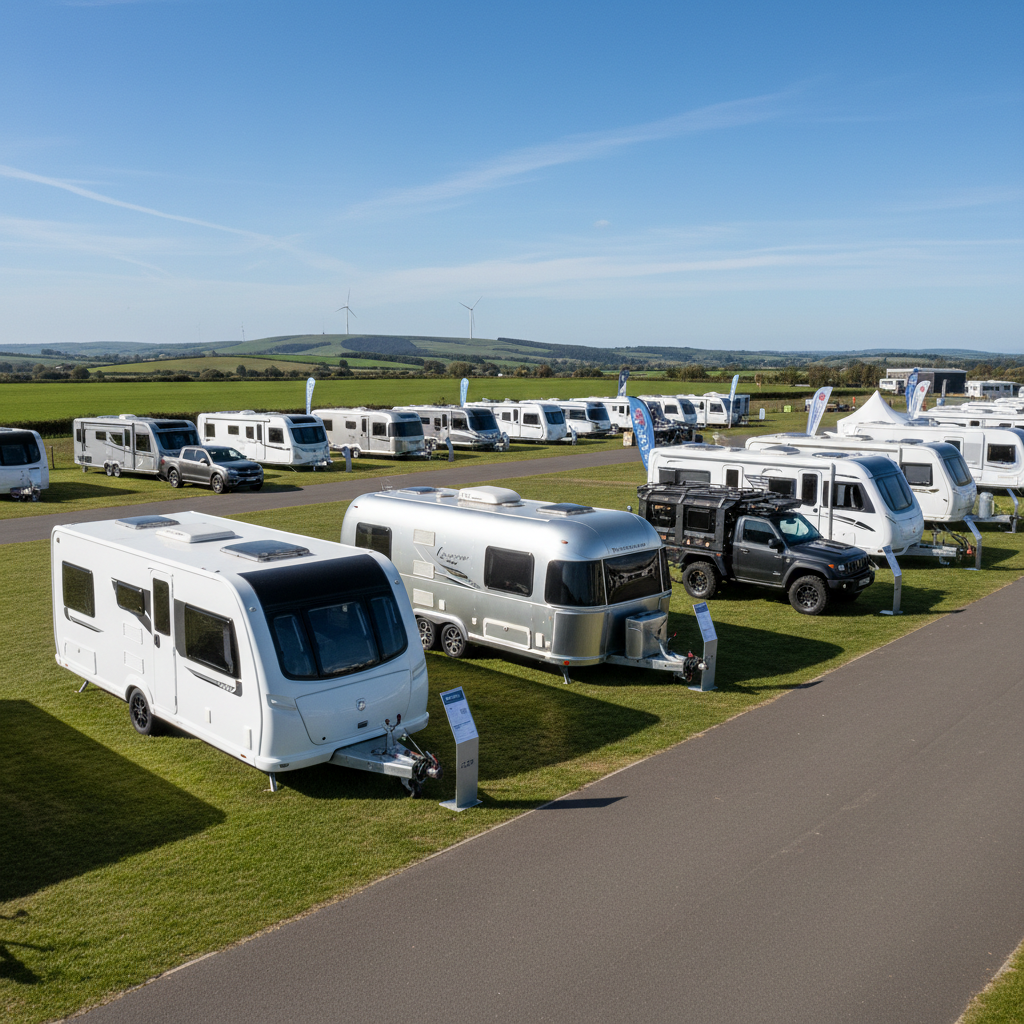
RoamWorthy product update March improving how you find stock
RoamWorthy's March 2026 update introduces vertical-specific search, integrated layout research, and 'Viewing-First' dealer pages to streamline your vehicle search.
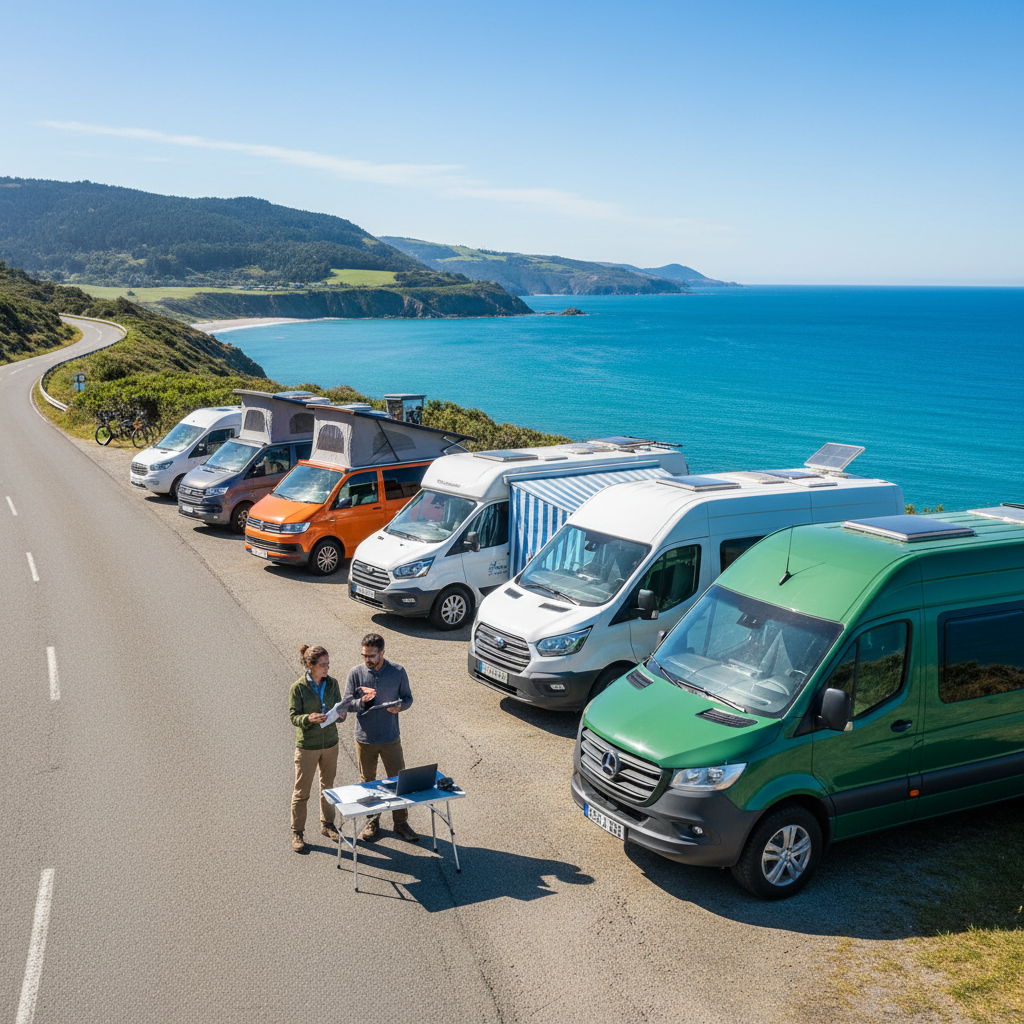
Campervan dealer pages how to shortlist without getting overwhelmed
Stop scrolling fatigue. Learn how to ruthlessly shortlist campervan dealer listings by payload, V5C classification, and conversion safety for 2026.