
Motorhome seats and belts what is legal for passengers
Don't confuse berths with travel seats. Learn the 2026 UK legal requirements for motorhome seatbelts, side-facing seats, and child safety to stay compliant.
Don't confuse berths with travel seats. Learn the 2026 UK legal requirements for motorhome seatbelts, side-facing seats, and child safety to stay compliant.

The RoamWorthy editorial team combines decades of caravan, motorhome and campervan ownership experience with industry expertise to provide trusted buying advice.
View all articles →- Berths vs. Travel Seats: Sleeping capacity (berths) often exceeds legal travel seats. You must never carry more passengers than there are belted seats.
- The 2026 Standard: All passengers must use designated seats with belts. Children under 12 or 135cm require appropriate R129 (i-Size) or R44 restraints.
- Side-Facing Seats: Legal in some pre-2007 vehicles but highly discouraged for safety; they cannot be used with child seats.
- Payload Impact: Each passenger reduces your available payload. Exceeding your MTPLM is illegal and can void insurance.
Families often invest in a motorhome with the dream of the ultimate road trip. However, a common pitfall for first-time buyers is assuming that the number of 'berths' (sleeping spaces) automatically equals the number of legal 'travel seats'.
As we head into 2026, UK road safety standards, DVSA enforcement, and insurance requirements are stricter than ever. Understanding the legalities of motorhome seatbelts is essential for both safety and compliance.
The Golden Rule: Berths vs. Travel Seats
Motorhome listings frequently highlight the number of berths. For example, a 6-berth motorhome might only have 4 designated travel seats with seatbelts. It is illegal and highly dangerous to carry more passengers than there are designated travel seats. Before you buy, use our Motorhome Weight Checker to ensure your vehicle can handle the payload of a full crew, including their luggage and water tanks.
UK Seatbelt Regulations for Motorhomes
The law regarding seatbelts in motorhomes depends largely on the age of the vehicle and its classification, but the general principle is simple: if a seatbelt is provided, it must be worn.
- Front Seats: Seatbelts have been mandatory in the front of motorhomes since 1982.
- Rear Seats (Post-2007): Since 2007, all new motorhomes must be fitted with designated travel seats and belts for rear passengers to meet European Whole Vehicle Type Approval.
- Older Vehicles: In vehicles registered before 2007, rear seatbelts might not be fitted. While the law on unbelted passengers in older motorhomes has 'grey areas', most insurers now mandate that all passengers are belted for the policy to remain valid.
- Children: UK law requires children to use a car seat until they are 12 years old or 135cm tall. Crucially, child seats cannot be fitted to side-facing seats or using only a lap belt.
Side-Facing Seats: Legal but Questionable?
Many older layouts, including some classic Auto-Trail Imala or Bailey Autograph models, feature side-facing lounge seats. While some older vehicles may legally allow passengers to sit here, modern safety advice from RoSPA is clear: side-facing seats offer significantly less protection in a frontal collision. In the event of an accident, passengers in side-facing seats are at higher risk of 'submarining' (sliding under the belt) or suffering severe neck and spinal injuries.
The 'Designated Travel Seat' Checklist
When viewing a potential purchase, such as a Swift Trekker S or a Roller Team Kronos 590, use this checklist to verify passenger safety:
- Count the Belts: Physically count the three-point belts. Do not rely on the salesperson's 'berth' count.
- Check the Type: Are they three-point inertia reel belts or older lap belts? Three-point belts are the modern safety standard.
- Test the Layout: Does the dining table need to be removed or folded to use the travel seats? Ensure this process is practical for daily use.
- ISOFIX Points: If you have young children, check for ISOFIX mounting points, which are common in premium brands like Adria, Bürstner, and Laika.
- Check the V5C: Ensure the number of seats recorded on the V5C logbook matches your intended use.
Weight and Payload Considerations
Every extra passenger adds roughly 75kg-100kg (including luggage) to your vehicle's weight. If you are close to your 3,500kg limit (common for those on a standard Category B car licence), carrying a full house could put you over the legal limit. If you are converting a van yourself, use our Campervan Conversion Checker to ensure your seating installation meets DVSA requirements for anchorage points.
Ready to find a safe family motorhome?
Browse our verified listings and filter by the number of travel seats to ensure your family stays safe on the road.
Search Motorhomes NowFrequently Asked Questions
Can I add seatbelts to an older motorhome?
It is possible, but it must be done by a professional. The belts must be anchored to the vehicle's chassis or a reinforced steel frame, not just the wooden furniture of the habitation area. You must also notify your insurer of this modification.
Is it legal to sleep in the back while the motorhome is moving?
No. All passengers must be upright, facing forward (or rearward in designated seats), and belted into a designated travel seat while the vehicle is in motion. Moving around the cabin to use the toilet or kitchen while driving is also illegal and dangerous.
What are the penalties for carrying too many passengers?
Drivers can face fines, penalty points, and in the event of an accident, your insurance company may refuse to pay out if the vehicle was overloaded or passengers were unbelted.
Motorhome seat belt legality: quick checklist
- Count the designated travelling seats. Only seats fitted with a working seat belt and marked on the M1 certificate can be occupied in motion. A dinette without belts is not a passenger seat, no matter how many berths are advertised.
- Check the belt type per seat. Three-point (lap and diagonal) belts are safer than lap-only. Since 2006 all new UK motorhomes must fit 3-point belts to any forward-facing designated seat.
- Confirm child restraint compatibility. ISOFIX is rare in motorhomes. If you carry a child under 135cm you must use a suitable car seat, which requires a 3-point belt on a forward-facing seat.
- Pre-1988 exemption. Motorhomes first used before 1 October 1988 need not have belts fitted, but if belts are fitted they must be worn. Verify on the V5C, not the sellers word.
- Rear side-facing seats. Passengers may not travel in side-facing seats even if belted, except in vehicles registered before 20 October 2007. Check registration date before you buy.
- Belt condition. Cuts, frayed webbing or a slow retract mean immediate replacement. Belts more than 10 years old should be inspected annually.
Related on RoamWorthy
Related Tools
Related Makes & Models
Spotted an error? Let us know.
Continue Reading
More posts to help you make informed decisions
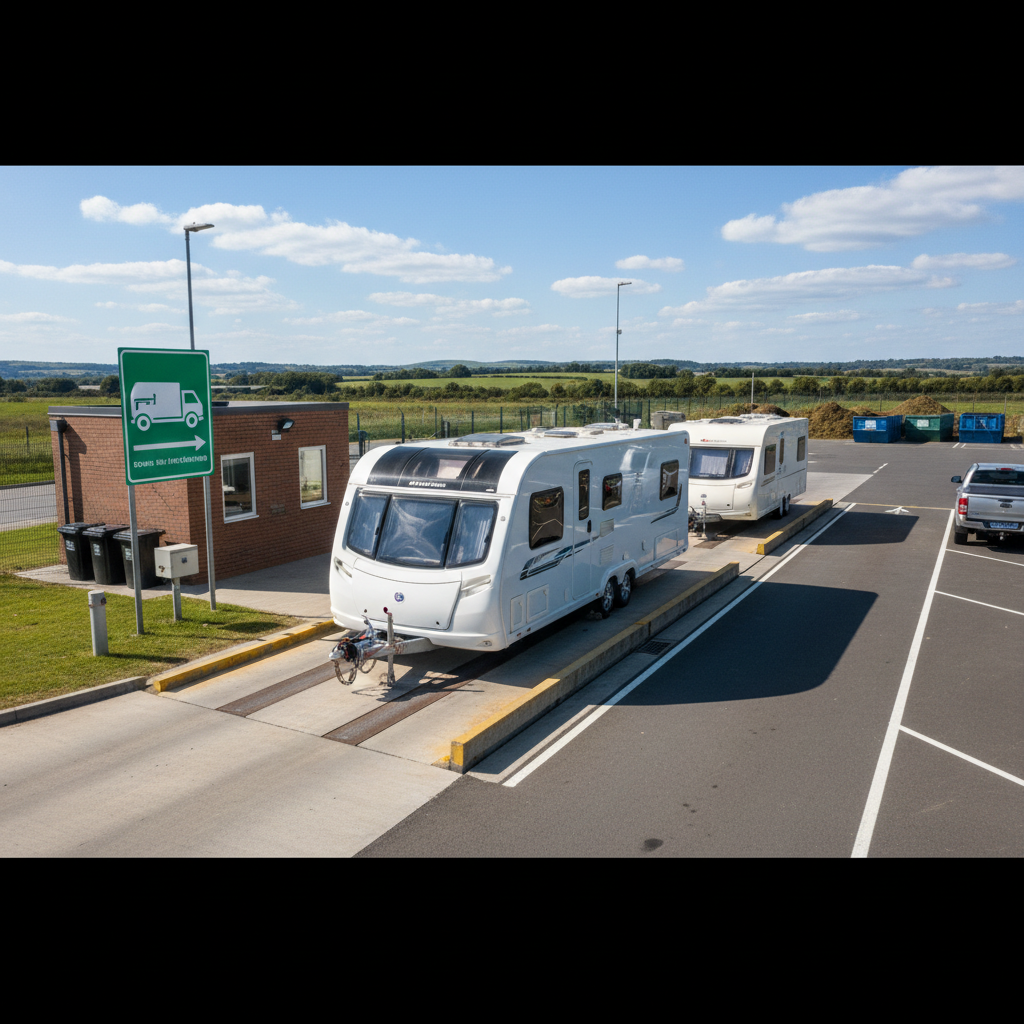
How to Use a Public Weighbridge Safely
Ensure your caravan or motorhome is road-legal. Learn how to find a UK public weighbridge, understand DVSA weight terms, and verify your axle limits to avoid fines.
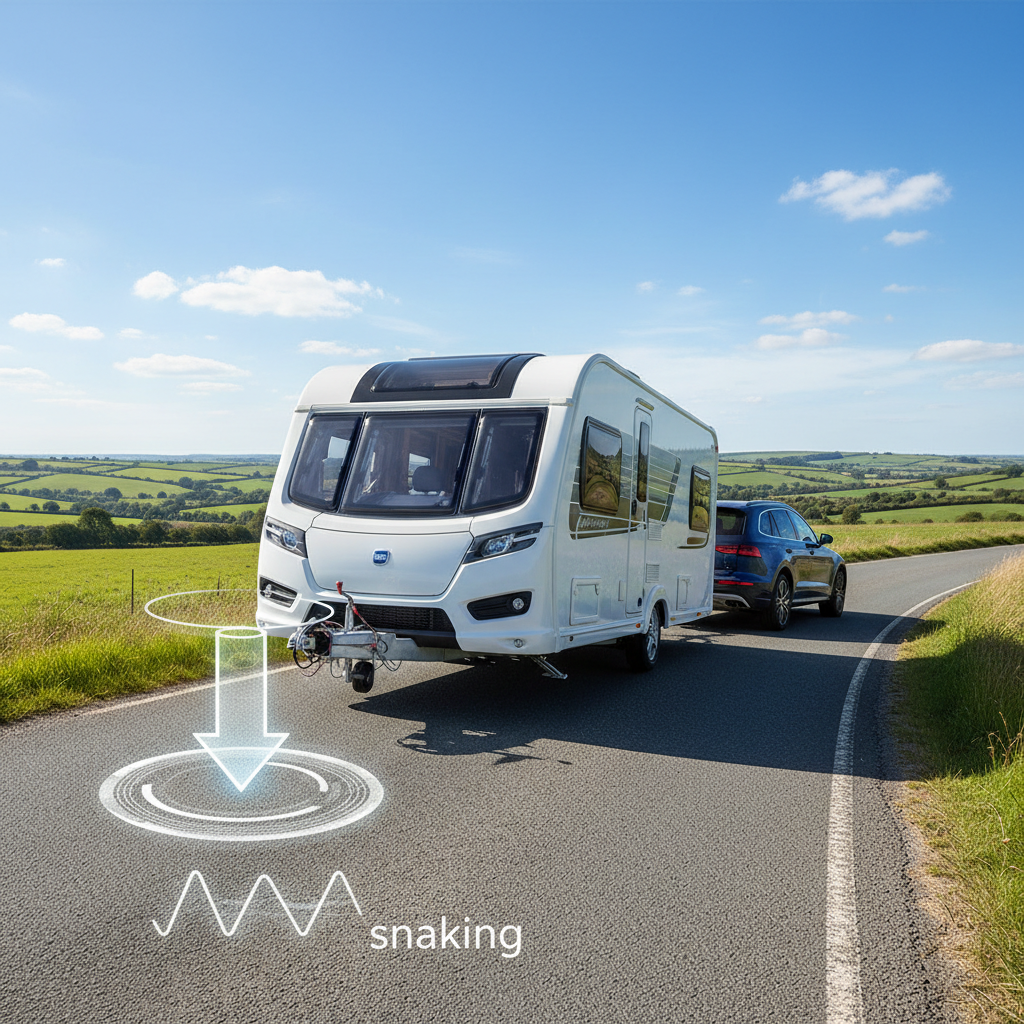
Caravan noseweight and stability, how to measure and stay safe
Quick answer: noseweight is the downward force the caravan hitch puts on the towball. Aim for roughly 5 to 7 percent of the loaded caravan weight, and never exceed the lower of your car towball limit, hitch limit, or the caravan manufacturer noseweight figure.
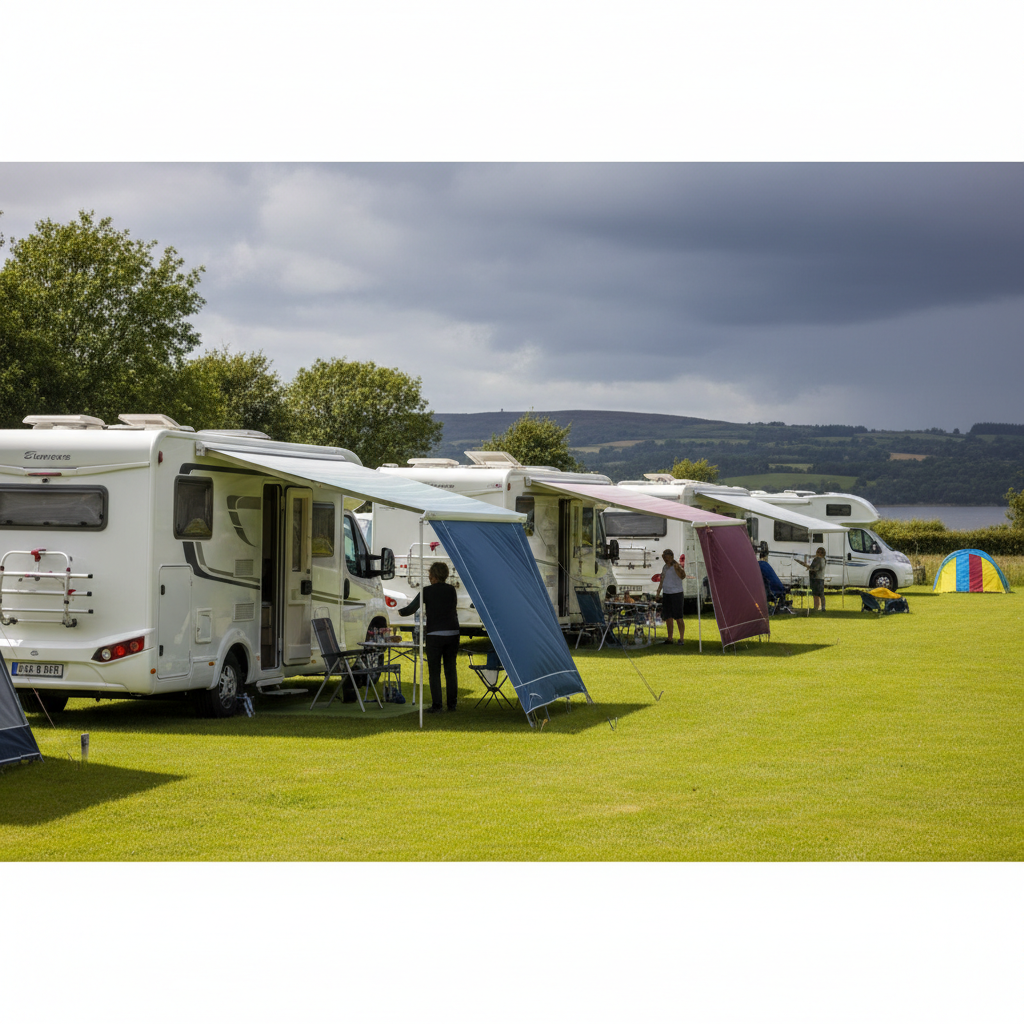
Essential Guide to Motorhome Awning Safety and Care
Expert guide to motorhome awning safety and maintenance. Learn how to prevent wind damage, manage payload weights, and maintain your awning for the 2026 season.