
What We're Seeing in the Used Campervan Market Right Now
Navigate the 2026 used campervan market with expert insights on pricing corrections, premium brand resilience, and essential paperwork to check before buying.
Navigate the 2026 used campervan market with expert insights on pricing corrections, premium brand resilience, and essential paperwork to check before buying.

The RoamWorthy editorial team combines decades of caravan, motorhome and campervan ownership experience with industry expertise to provide trusted buying advice.
View all articles →- Market Correction: Prices for mid-range and DIY conversions are stabilising as supply finally matches post-pandemic demand levels.
- Premium Resilience: Factory-built models like the Volkswagen California and high-end conversions from Vanworx, Jerba Sanna, or CMC Reimo maintain exceptionally strong residuals.
- The "Paperwork Premium": Buyers are prioritising documented service history, gas safety certificates, and habitation reports over cosmetic upgrades.
- Urban Utility: Pop-tops remain the gold standard for resale value due to height restriction practicalities in UK coastal and urban areas.
There is a particular flavour of listing that appears when the UK market shifts. The photos are immaculate, the description is short, the price is ambitious, and the seller sounds slightly tired. This does not necessarily mean it is a bad van; usually, it indicates owners are attempting to secure "peak value" whilst they still can.
As we move through 2026, we are observing a distinct shift from a seller's market to a more balanced environment. Here is what we are noticing across RoamWorthy stock and browsing behaviour. This isn’t doom; it’s pattern recognition that makes buying easier for those looking to browse campervans for sale.
1) Increased Choice, Variable Quality
Inventory can increase without quality improving. We are seeing a surplus of "lockdown builds" hitting the market—vans converted during the 2020-2022 boom that are now reaching 4-6 years of age. While many are excellent, others are "fine" but not priced accordingly. Great vans still sell fast. Average vans are lingering, especially when the paperwork is thin or the specification is vague.
2) Specification Gaps: Where Bargains and Headaches Live
Two similar-looking campervans can feel thousands of pounds apart for reasons that are not obvious in the headline. If you are researching Campervan Models, pay close attention to these value levers:
- Full Service History (FSH): Look for a stamped book and itemised invoices rather than vague "serviced regularly" claims.
- Roof Type: This dictates everyday usability. Before committing, consider the trade-offs between pop-tops and high-tops regarding insulation and height barriers.
- Travel Layout: Ensure the number of belted seats matches the berths. A four-berth van with only two belted seats is a common market pitfall that devalues a vehicle for families.
- Weight Compliance: Professional conversions should ideally have a weighbridge certificate. You can use our Campervan Conversion Checker to see if a build meets your technical requirements.
3) Pop-Top Demand Stays Strong for Practical Reasons
It is not merely an aesthetic choice; it is about logistics. Owners are increasingly frustrated by 2-metre height barriers at UK coastal car parks and multi-storey facilities. Pop-tops keep ownership simple in British towns, which keeps their resale demand stable compared to fixed high-roof models. Brands like Volkswagen and Onyx Vans that specialise in sleek, low-profile builds are currently leading the search volume.
4) "Ready to Tour" Requires Verifiable Receipts
When a listing claims a vehicle is "ready to tour," look for the documentary proof. In 2026, savvy buyers are demanding:
- Habitation Checks: Evidence of gas safety (Landlord's Gas Safety Record or equivalent) and damp testing—essential for coachbuilt and lined vans.
- Electrical Sign-off: Professional wiring diagrams or certificates for lithium-ion setups and solar controllers.
- Tyre Age: Tyres may have plenty of tread but be "quietly ancient." Check the DOT code; if they are over six years old, factor in the cost of replacement regardless of tread depth.
Pre-Purchase Checklist
- Check the V5C: Ensure the body type (e.g., 'Motor Caravan') and seating capacity match the physical van.
- Verify the Payload: Use a Motorhome Weight Checker to ensure you will not be overweight once loaded.
- Test the Habitation: Ask the seller to demonstrate the fridge, heater, and water pump working on both 12v and gas.
- Check the MOT History: Use the DVLA MOT History Checker to look for recurring advisories on rust or suspension.
Market Outlook: Buying with a System
To navigate the 2026 market successfully, we recommend two immediate steps:
- Always use a used campervan inspection checklist on every viewing, regardless of your confidence level.
- Verify the vehicle's tax class and emissions status via GOV.UK, as this significantly impacts ULEZ/CAZ running costs.
Frequently Asked Questions
Are used campervan prices dropping in 2026?
We are seeing a "softening" rather than a crash. Prices for generic or DIY conversions are correcting downwards, while premium brands like Volkswagen, Jerba, and Kaktus Adventure Vans remain stable due to brand loyalty and build quality.
What is the most important thing to check on a used conversion?
Payload. Many DIY conversions are dangerously close to their 3.5t limit before you even add water or luggage. Use a weight checker to stay legal.
Is a high mileage campervan a bad investment?
Not necessarily. A high-mileage van with a meticulous service record is often a better buy than a low-mileage van that has sat stationary for years, which can lead to perished seals and seized components.
Does a campervan need a Gas Safe certificate?
While not always a legal requirement for private sellers, a Gas Safe record (specifically for leisure vehicles) is the gold standard for safety and is often required by insurers or for professional resale.
Next Steps: Explore our Motorhome Models hub or Find a Dealer near you to compare professional stock against private listings.
Related on RoamWorthy
Related Makes & Models
Spotted an error? Let us know.
Continue Reading
More posts to help you make informed decisions
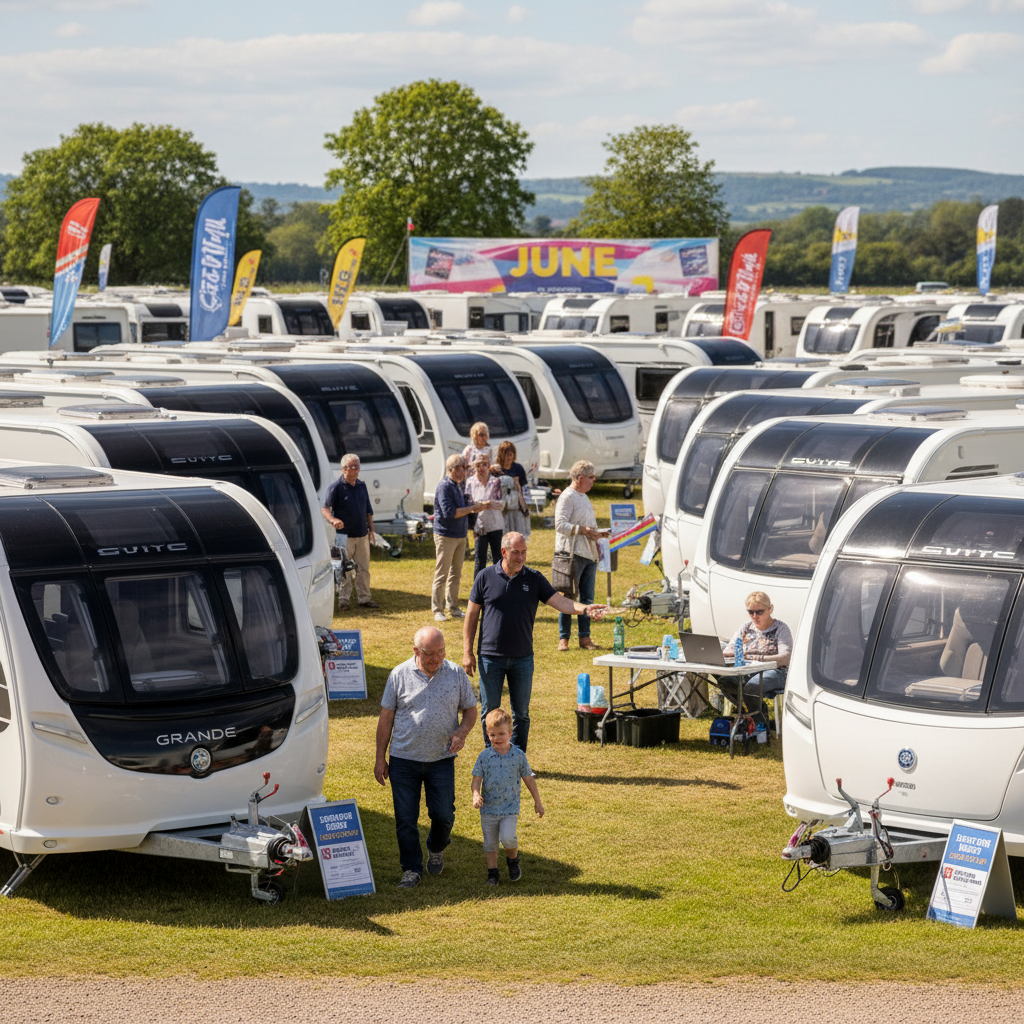
June 2026 Caravan Market Update and Pricing Report
June 2026 Caravan Market Report: 8ft-wide models dominate resale values, while family 6-berths sell in just 6 days. Get the latest pricing data and buying tips.
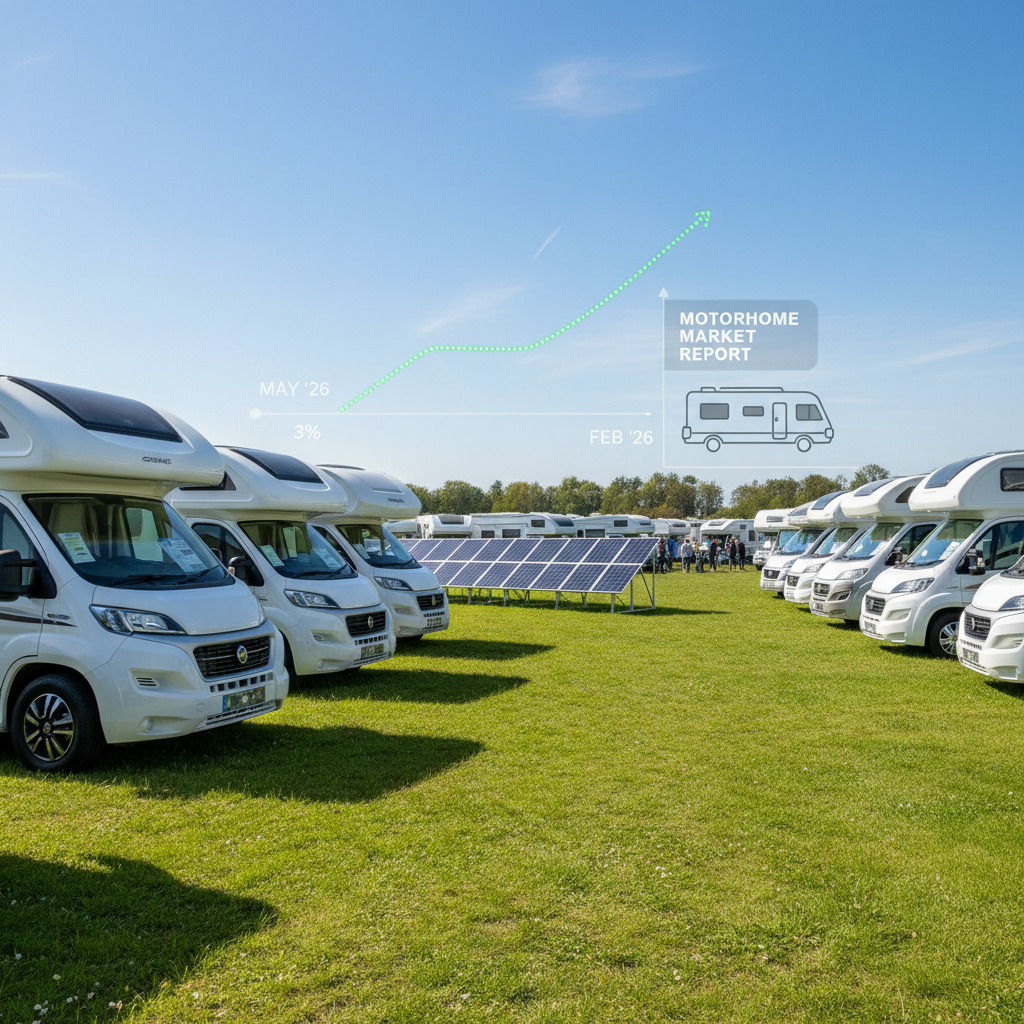
May 2026 Motorhome Market Report and Pricing Analysis
May 2026 UK Motorhome Market Report: Prices stabilise as demand for sub-3,500kg models peaks. Discover the latest trends in off-grid tech and regional pricing.
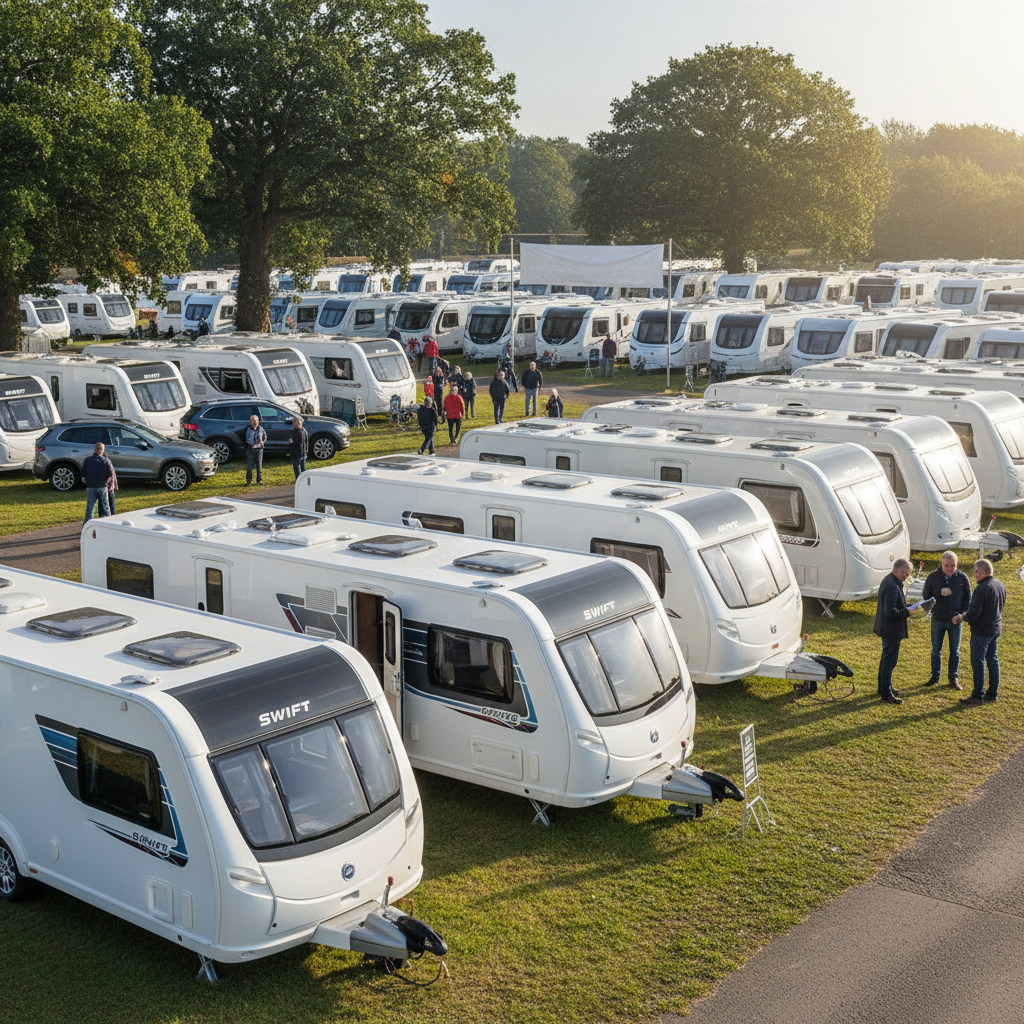
April 2026 Caravan Market Analysis and Pricing Trends
April 2026 UK caravan market report: 8ft-wide models dominate, off-grid demand rises by 25%, and entry-level stock hits seasonal lows. Expert pricing analysis.